Haze Returns to Singapore: Health Precautions for Families
The haze is expected to return to Singapore in August 2026, with PSI levels remaining in the good-to-moderate range, prompting health advisories for families, especially children and those with respiratory conditions.
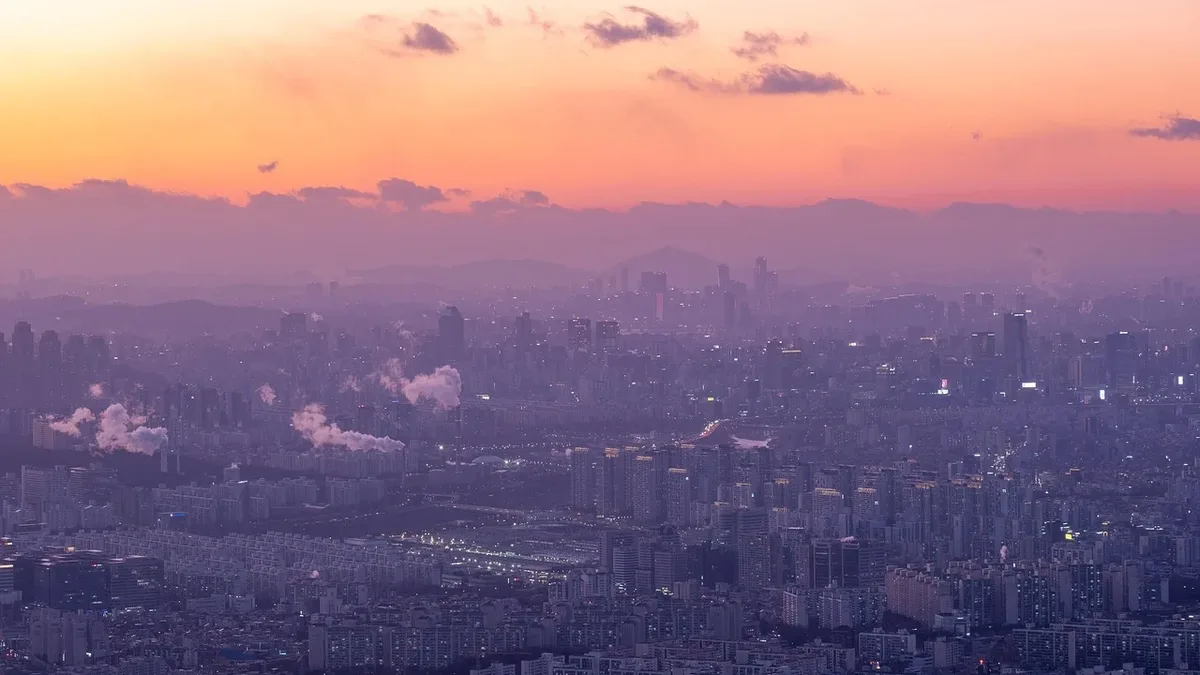
The haze in Singapore can pose serious health risks, particularly for children and asthmatics.
As of August 2026, the 24-hour Pollutant Standards Index (PSI) has been recorded in the good-to-moderate range by the NEA, though residents have reported a strong burnt smell on social media platforms like Reddit.
The smell is believed to originate from hotspots in southern and central Sumatra, as well as West, Central, and South Kalimantan, carried by prevailing winds.
Forest fires in Sumatra, often linked to land clearing for palm oil plantations, are the primary cause of the haze, creating hazardous smog that affects Singapore and neighboring regions.
The National Environment Agency (NEA) calculates PSI by averaging readings of six pollutants over 24 hours: PM10, PM2.5, SO2, NO2, O3, and CO, with PM2.5 being the most harmful during haze episodes due to its fine particle size.
PM2.5 refers to particles 2.5 microns or smaller, which can penetrate deep into the lungs and are up to 30 times smaller than a hair’s thickness.
Health risks from haze exposure include respiratory issues, aggravated asthma, and eye irritation, with vulnerable groups such as pregnant women, the elderly, and those with heart or lung conditions at higher risk.
The NEA advises limiting outdoor activities when PSI levels exceed 101, particularly during high moderate to unhealthy conditions, to reduce health impacts.
Wearing an N95 mask is recommended for adults engaging in strenuous outdoor activity, as it filters 95% of airborne particles, though young children, pregnant women, and the elderly should avoid them due to breathing strain.
Staying indoors with windows and doors closed is the safest measure, along with staying hydrated, using moisturizer to prevent skin irritation, and switching to glasses from contact lenses to avoid eye discomfort.
The myENV app is recommended for real-time PSI updates to help families plan safe outdoor activities.
Air purifiers with HEPA filters can effectively remove 99.7% of particles 0.3 microns or larger, making them more suitable than UV or carbon-based models for haze conditions.
When selecting an air purifier, consider room size, fan efficiency, noise levels, and proper placement for optimal airflow.
Regular maintenance, including filter changes and cleaning of electrostatic plates, ensures continued effectiveness.
While indoors, families can still enjoy activities at home, balancing safety with engagement during haze periods.