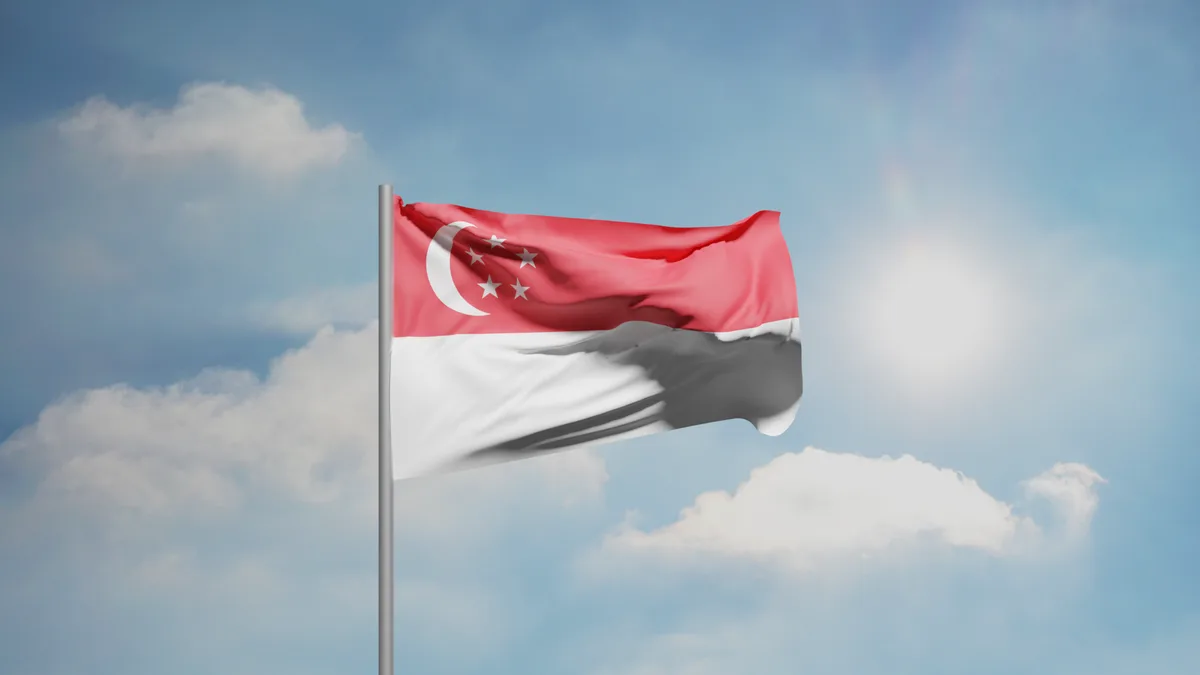
Singapore
| Capital | Singapore |
|---|---|
| Official languages | English, Malay, Mandarin, Tamil |
| Currency | Singapore dollar (SGD) |
| Population | Approximately 5.9 million |
| Area | 728.6 square kilometres |
| Government | Unitary parliamentary republic |
| Time zone | Singapore Standard Time (UTC+8) |
| Driving side | Left |
Overview
Singapore is a sovereign city-state and island country located at the southern tip of the Malay Peninsula in Southeast Asia. It comprises one main island and over 60 smaller islets, with a total land area of approximately 730 square kilometers. The nation operates as a parliamentary republic with a highly developed market economy, consistently ranking among the world's most competitive and least corrupt countries. Its population is multiethnic and multicultural, with Chinese, Malay, Indian, and Eurasian communities forming the core demographic groups. Singapore is a global hub for finance, trade, and transportation, featuring one of the busiest ports in the world. The country is also known for its stringent laws, clean urban environment, and extensive public housing program, which houses the majority of its resident population.
History
Modern Singapore was founded as a British trading colony in 1819 by Sir Stamford Raffles, acting on behalf of the British East India Company. Prior to this, the island had a long history as part of various regional empires, including the Srivijayan, Majapahit, and Johor Sultanates, and was known as Temasek. It remained under British colonial rule until the Japanese occupation during World War II from 1942 to 1945. After the war, Singapore returned to British control before gaining increasing self-governance in the 1950s. It briefly joined the Federation of Malaysia in 1963 but separated to become an independent republic on August 9, 1965, due to political and economic disagreements. The subsequent decades under the leadership of the People's Action Party saw rapid industrialization, nation-building, and the transformation of Singapore from a developing nation with limited natural resources into a high-income economy.
How it works today
Singapore's governance is characterized by a unicameral parliamentary system where the President serves as the ceremonial head of state and the Prime Minister as the head of government. The legal system is based on English common law, but it is augmented by a comprehensive set of local statutes and a strong emphasis on rule of law and social order. Economic management is highly centralized and strategic, with state-owned investment vehicles like Temasek Holdings and GIC playing significant roles in guiding the economy. The government maintains a pervasive presence in civic life through policies covering housing, mandatory savings via the Central Provident Fund, education, and ethnic integration. Land use is meticulously planned by the Urban Redevelopment Authority, with a focus on sustainability, green space, and long-term infrastructure development. Strict regulations govern public behavior, media, and political expression, which the state justifies as necessary for maintaining racial harmony and economic stability in a densely populated city-state.
Pros and cons
A significant advantage of Singapore is its exceptional efficiency, safety, and cleanliness, supported by reliable public infrastructure and a transparent, meritocratic system that fosters economic opportunity. The cons include a high cost of living, particularly for private housing and car ownership, which is heavily taxed through the Certificate of Entitlement system. The intense competitive pressure, especially within the education system and workplace, can lead to significant stress and a work-centric culture that some find stifling. Individuals who highly value personal freedoms, political expression, and a less regulated lifestyle often regret moving to Singapore, finding the social controls and conformity oppressive. A common mistake for newcomers is underestimating the cultural nuances and strict legal penalties for seemingly minor infractions, such as littering or jaywalking. Furthermore, the societal expectation to adhere to mainstream success pathways can marginalize those with alternative career ambitions or lifestyles.
Who it suits
Singapore suits individuals and families who prioritize safety, political stability, and career advancement in global finance, trade, or technology sectors. It is well-suited to those comfortable with structured environments and clear rules, who appreciate predictability and high-quality public services. The society tends to suit pragmatic, academically inclined students who thrive in rigorous educational systems with a strong focus on mathematics and sciences. Expatriates on competitive financial packages, who can afford the international school fees and high expatriate lifestyle costs, often find it a comfortable base. It is less suited to artists, activists, or entrepreneurs in highly disruptive industries who may chafe against cultural and regulatory conservatism. Ultimately, it best serves those who align with its core trade-off: accepting certain social and political constraints in exchange for economic prosperity and orderly urban living.
Latest Singapore news
Latest reporting

Singapore's 2026 Squishy Toy Safety Guide for Parents
A guide for Singapore parents on where to buy popular squishy toys safely in 2026, detailing key retailers and essential safety checks to perform...
New Family-Friendly Restaurants and Menus in Singapore
HoneyKids Asia highlights several new family-friendly dining options in Singapore for September, including picnic rentals, Roman-style pizza, and...

Roses & More Skin Alchemy Offers Custom
A Singapore skin studio provides personalized, nature-powered facial treatments suitable for both teenagers with breakouts and parents seeking...
Family-Friendly Sunday Brunches in Singapore
A guide to nine Singapore hotels and restaurants offering Sunday brunch buffets with special menus and entertainment for children.
Singapore's 2026 September Holiday Camps
A guide to ten holiday camps for children aged three to 18 in Singapore during the September 2026 school break, covering activities from science and...
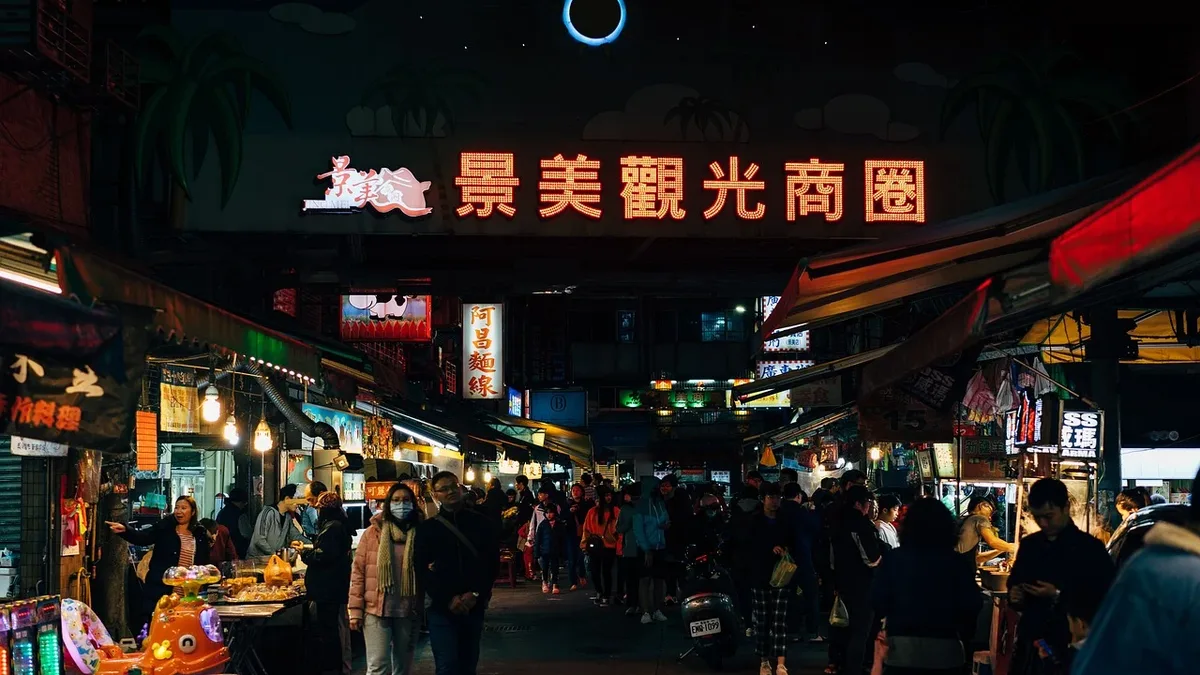
Hungry Ghost Festival in Singapore: 2026
Singapore's Hungry Ghost Festival runs from August 13 to September 10, 2026, with Ghost Day on August 27. Traditions honor ancestors and appease...