A Mother's Journey Raising a Daughter with a Rare Genetic
A mother describes the love, hope, and challenges of raising her 18-month-old daughter, Elsie, who has an extremely rare RARB gene mutation affecting her
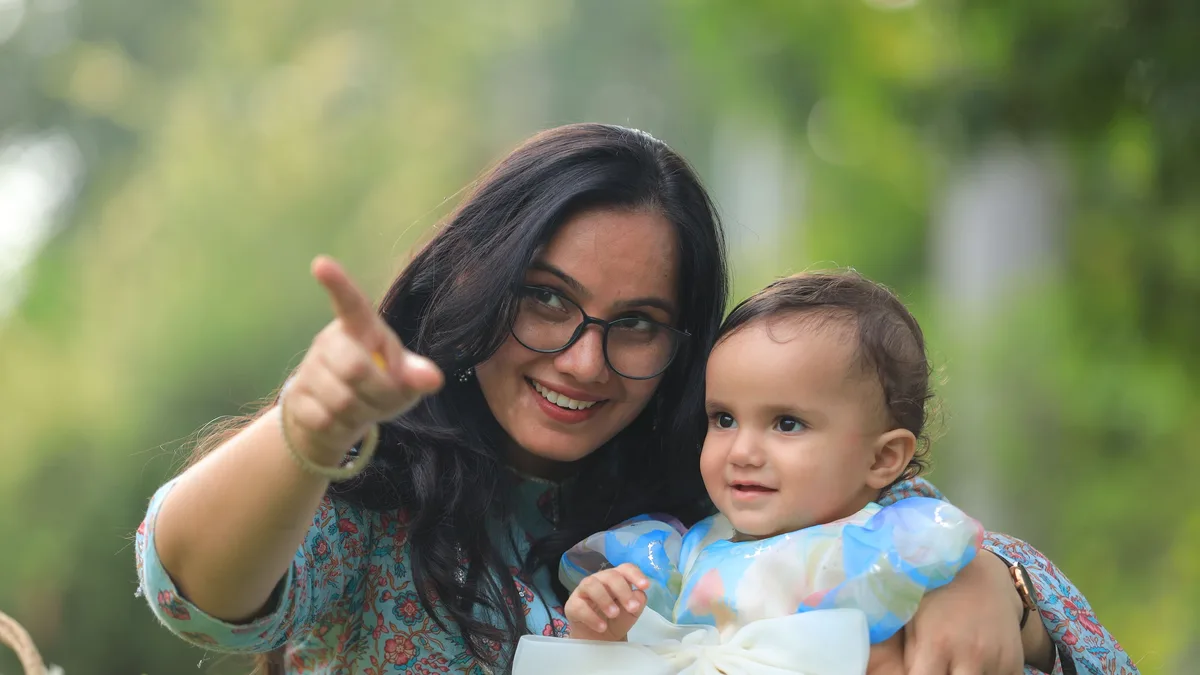
A mother has shared the profound experience of raising her 18-month-old daughter, Elsie, who lives with a rare neurological condition. Elsie has a mutation in the RARB gene, a de novo condition with fewer than 100 known cases worldwide, which affects her vision, mobility, and development.
Elsie is legally blind, though she has some peripheral vision. She explores her world through sound and taste, often using her tongue to sense her surroundings. She laughs frequently and has a cheeky sense of humor, but at 18 months old, her development is delayed and it is not yet known if she will learn to speak.
The First Terrifying Months
For the first eight months of her life, Elsie lived mostly in hospitals due to a dangerous symptom: she would stop breathing when upset, sometimes for two to three minutes, turning blue. These apnea episodes required emergency intervention with a bag and mask to force air into her lungs. While they still occur, they are now shorter, less frequent, and usually managed with oxygen. Without that oxygen, her mother states, Elsie would be at constant risk of dying.
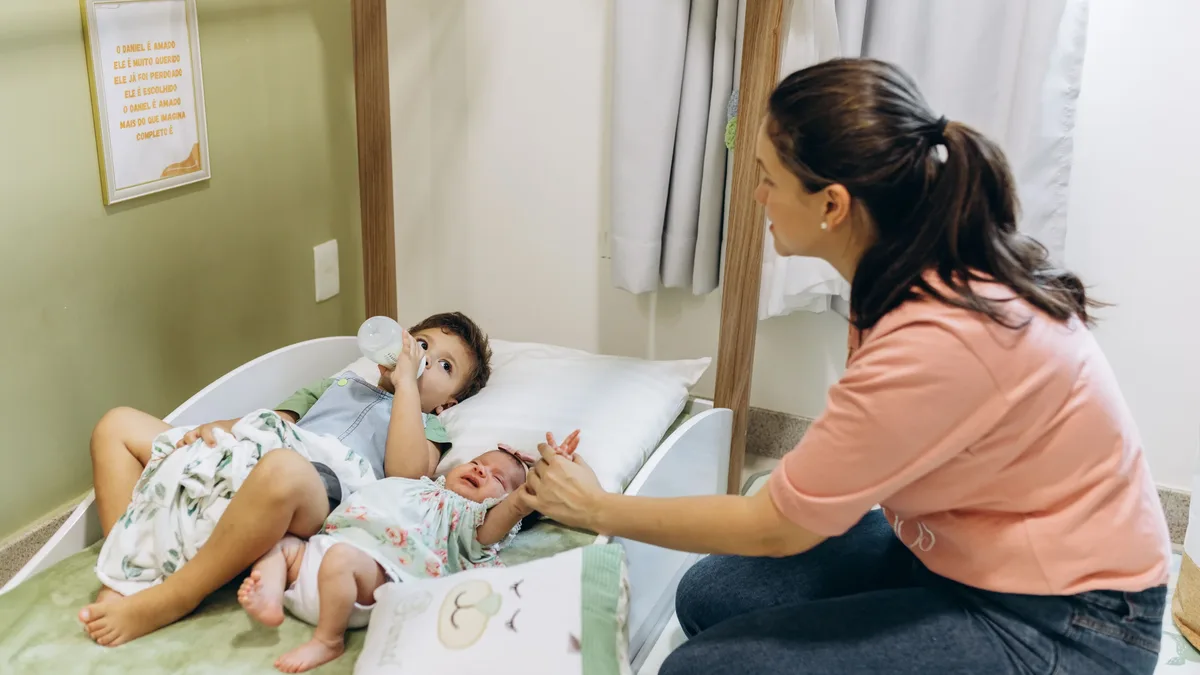
Born in March 2025, Elsie has been home since February of this year. She loves to snuggle, feels people's faces, and gets excited by beards. Her favorite song is Brent Holmes's "Kooky Little Coconut," and she prefers French nursery rhymes. She also loves water and felt the ocean for the first time this summer.
A Long Path to Motherhood
The mother, now 50, describes a long journey to having Elsie. After a career in film publicity and freezing her eggs earlier in life, she pursued IVF in her early 40s using her frozen eggs and donor sperm. After multiple failed attempts, she realized she could not have a genetically related child. A year later, at the end of 2024, she decided on one final attempt using donor eggs. She became pregnant at 48.
Her pregnancy was smooth, hitting all standard milestones easily. In retrospect, she now questions if she was too complacent. The night before the birth, she felt a sense of impending doom.
A Traumatic Birth and Diagnosis
The caesarean delivery was difficult. Elsie was in distress, positions kept changing, and the mother was losing significant blood. When Elsie was finally born, she was not breathing and had to be resuscitated. Initial relief was short-lived.
The night after her birth, Elsie's unusual sounds prompted nurses to take her to the neonatal intensive care unit. There, doctors diagnosed microphthalmia, meaning her eyes had not fully developed. Other issues followed: underdeveloped lungs, two holes in her heart, and low muscle tone, which could mean she might never walk. Her oxygen levels were unstable.
Doctors suspected a genetic condition. While awaiting test results, friends visited expecting a celebration but were met with uncertainty. The mother writes, "That is the moment my life split in two." She now runs her public relations consultancy while advocating for her daughter, calling it the biggest campaign of them all.