Pufferfish hybrids challenge Japan's chefs
Rising sea temperatures are causing pufferfish species to interbreed, creating hybrids that contain unpredictable toxin levels, which even Japan's highly
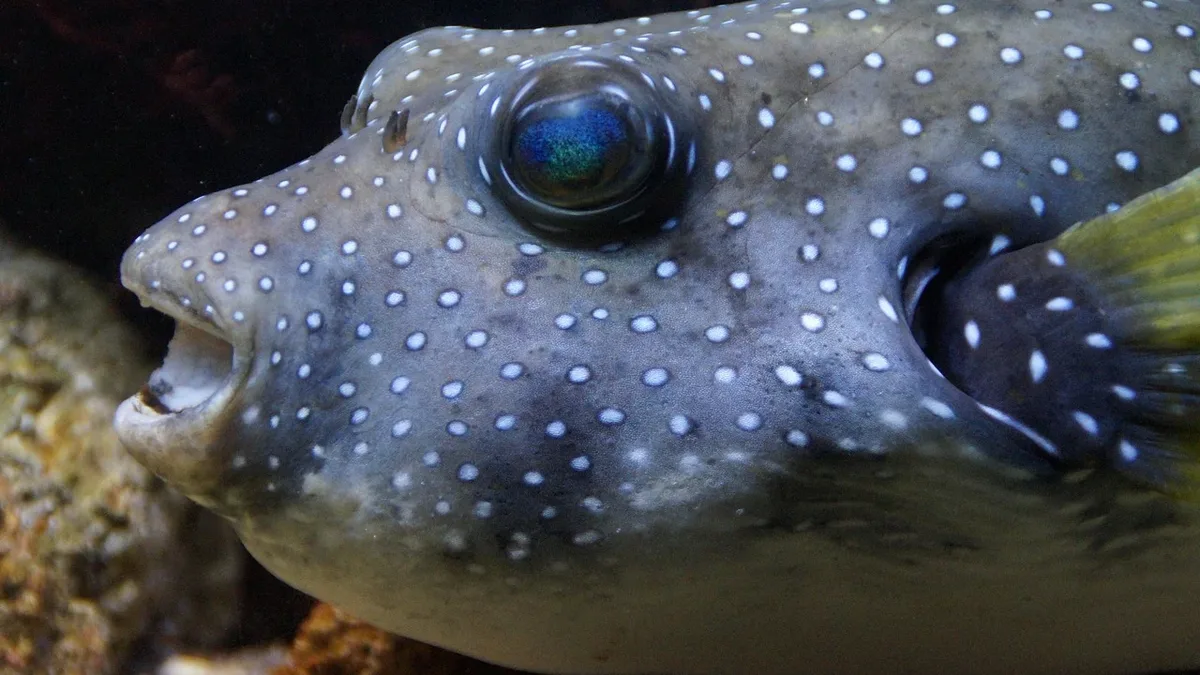
Japan's licensed fugu chefs are facing a new, unpredictable threat from the very delicacy they are trained to prepare. Rising ocean temperatures are causing different species of pufferfish to interbreed, creating hybrids with toxin distributions that defy traditional preparation knowledge.
Fugu, the Japanese term for edible pufferfish, is famous for containing tetrodotoxin. This potent neurotoxin has no known antidote and can lead to paralysis, respiratory failure, and death. The danger is central to the dish's allure. Since 1958, preparing fugu for public sale has required a government license. The rigorous training process takes at least two years and has a failure rate of roughly two-thirds.
The Rigorous Path to a License
Aspiring chefs must learn to identify specific pufferfish species and careful remove the toxic organs where the poison concentrates. These include the liver, ovaries, eyes, and skin. The report describes the required skill as combining the precision of a brain surgeon with the nerve of a bomb-disposal technician. This extensive training is based on centuries of accumulated knowledge about where toxins are located in known, pure species.
The New Threat of Hybrid Fish
The established safety protocols are now being undermined by climate change. Warmer seas are shifting the habitats of various pufferfish species, bringing them into contact in new ways. The report states that these conditions are "pushing pufferfish species together, spawning hybrids." These hybrid fish present a unique problem. Their internal toxin distribution does not follow the predictable patterns of their parent species. A chef trained to safely prepare one type of fugu may encounter a hybrid with toxins in unexpected tissues.
This makes even a licensed specialist's careful work potentially lethal. The traditional methods for ensuring safety are becoming unreliable when the biology of the fish itself is changing.
A System Under Pressure
The licensing system itself is a significant barrier designed to ensure safety. The high failure rate highlights the difficulty of mastering the craft. The entire culinary tradition is built on predictable, species-specific knowledge. The emergence of hybrids introduces a variable that the current training regime does not address. The report suggests this environmental shift is making "Japan’s deadliest delicacy... Getting more dangerous."
There is no indication from the source that the licensing requirements or training are being updated to account for this new biological challenge. The report focuses solely on the problem posed by the hybrid fish, not on any proposed solutions. For now, the chefs who have dedicated years to mastering this dangerous craft face an evolving threat from the ocean.