Play School reboot brings slower-paced viewing to CBeebies
The BBC is reviving the classic children's show Play School for CBeebies in 2027 or 2028, part of a push for trusted, slower-paced content.
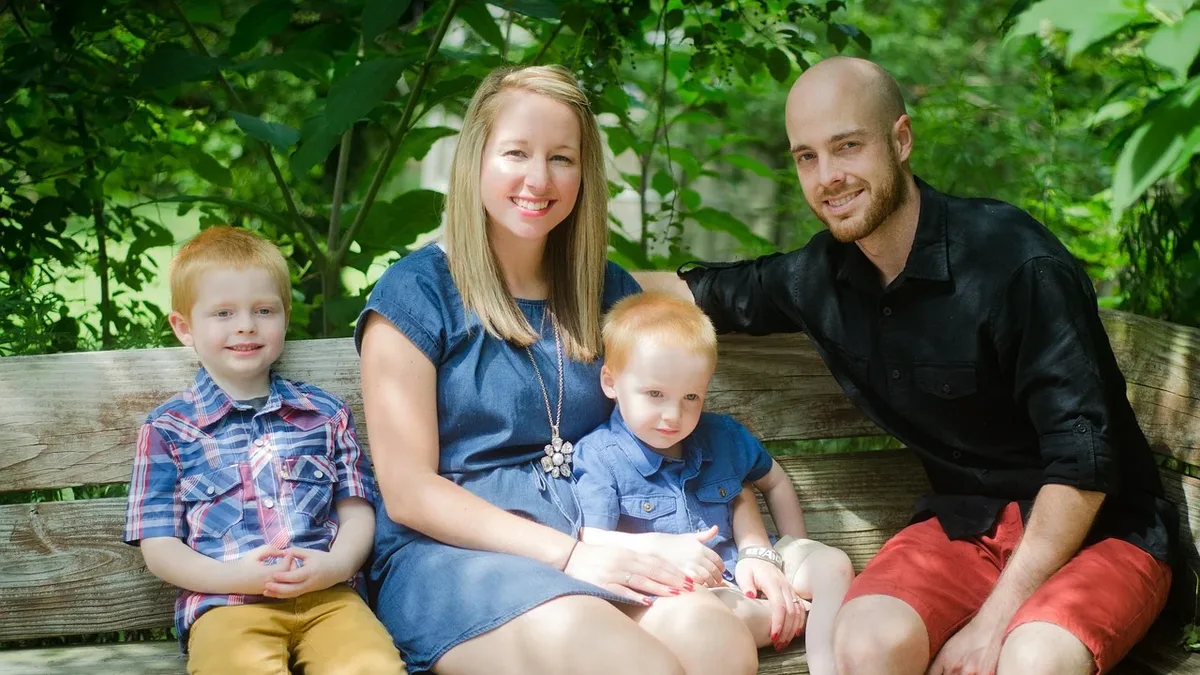
Play School is being rebooted for a new generation on CBeebies, with the BBC aiming to preserve its original blend of stories, movement, poetry, and imaginative play. The revival, confirmed as part of the BBC's new Parenting Promise, is expected to arrive on the channel in 2027 or 2028. Producers have been asked to pitch their own take on the classic formula, shaping it for today's audiences while keeping the values that made the original long-running and much loved.
What made the original Play School enduring
The original series, which aired from 1964 to 1988, was formulated to recreate nursery and playgroup experiences at home. It featured songs, stories, activities, and presenters who spoke directly to young children. Hosts over the years included Brian Cant, Johnny Ball, and the husband-and-wife presenting pair Eric Thompson and Phyllida Law, among others. This direct, engaging approach fostered a sense of inclusion and learning through play.
BBC's commitment to trusted children's content
Through its Parenting Promise, CBeebies pledges to support families with expert-guided content developed alongside educators and child development specialists. Patricia Hidalgo, director of BBC children's and education, stated that the BBC is committed to creating inspiring experiences that spark creativity, curiosity and imagination in every child. "Parents and carers place enormous trust in CBeebies and that is a responsibility we never take for granted," she said. Hidalgo added that Play School has always embodied so much of what CBeebies stands for and that bringing it back is a meaningful opportunity to build on that legacy. Every story, song, and game on the channel is shaped by programme makers, educators, and child development experts.
Why slower, simpler shows matter for young minds
This revival comes as many parents are actively seeking slower-paced children's media. One mother of a two-year-old, who limits screen time to 20 minutes post-nap and always watches together, describes a preference for older shows like the original Thomas the Tank Engine, Pingu, Sesame Street, and early Wallace and Gromit. She contrasts these with modern programmes like Cocomelon, PAW Patrol, and Blippi, which she says feature choppy editing, vivid colours, and dizzyingly repetitive soundtracks.
Studies have found that fast-paced cartoons can directly impact a young child’s attention and executive function, which includes self-regulation and memory. Natalia Kucirkova, a professor of early childhood education, summarised the key difference. "Good children’s media gives a child time to complete an act of attention. Bad media keeps interrupting that act," she said.
For many modern parents stretched thin by work, high childcare costs, and dwindling support, screen time has become a necessary tool. This tension is sometimes mirrored back by children themselves. Author Natalie Morris noted, My son learned a new phrase recently, 'Mama, stop phone!', which sent a monumental pang of guilt and shame through me.
The context for these choices is shifting. Earlier this year, the government issued its first screen time guidance for under-fives, focusing on duration limits, and is planning to restrict social media access for under-16s. Against this backdrop, the return of a trusted format like Play School offers a developmentally grounded option. Play School is expected to arrive on CBeebies in 2027 or 2028.