Parents Restrict Children's Social Media and AI Use
A majority of parents are now limiting or banning their children's use of social media and AI, citing safety fears, distrust in tech companies, and frustration with government inaction.
Parents across Europe and the US are increasingly restricting children's access to social media and AI. This shift is driven by concerns over safety, development, and a deep distrust of technology companies, with many parents feeling abandoned by insufficient regulatory action.
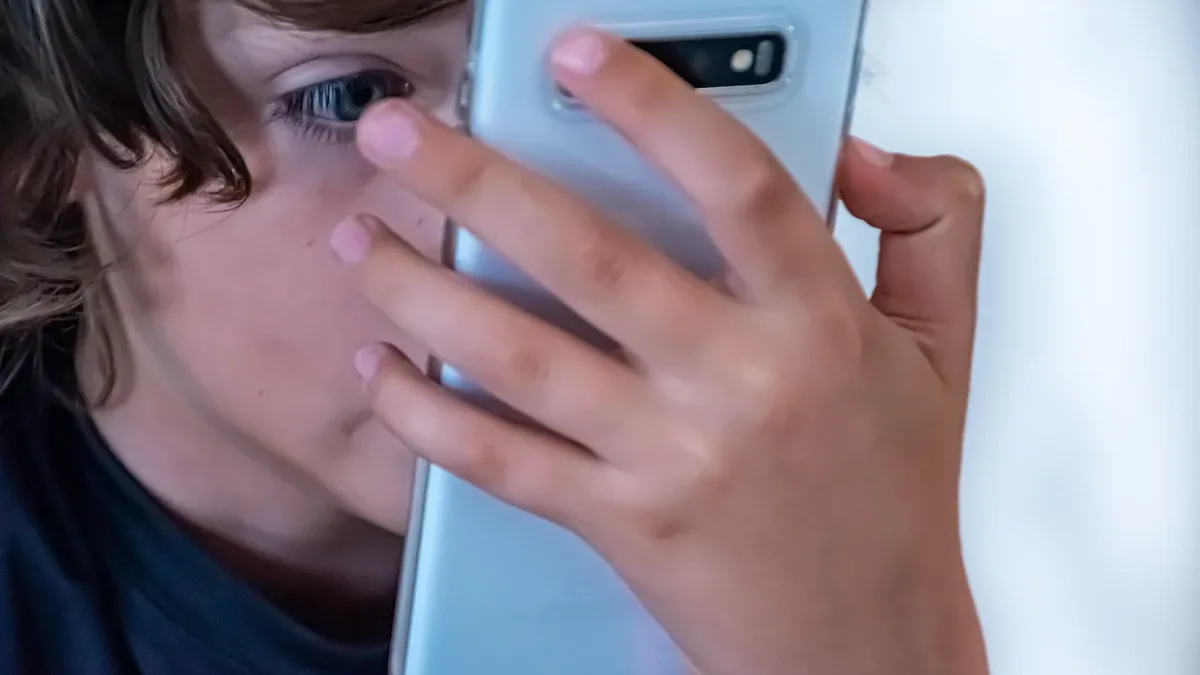
Parents from Madrid, Kent, and the Scottish Borders describe losing control over their children's device use. They are demanding greater oversight from schools and regulators. A Madrid parent observes their 12-year-old son has an obsessive grip on platforms like YouTube and Discord. The son was given a Chromebook at school with no parental choice and has a laptop for gaming with time limits. Yet he has found ways to circumvent restrictions and cannot control his impulses. This parent believes digital media is crowding out real-world activities like reading and face-to-face play. Managing screen time has become a cat-and-mouse game that poisons the home atmosphere. The lack of guardrails means millions of households must set stressful, individual rules.
A parent from Kent is frustrated with government inaction and has become stricter. Their children are absolutely forbidden from using social media or chatbots. This parent questions whether a safe way for children to use such technologies exists, comparing it to asking if there is a safe way for them to smoke.
Meanwhile, a parent from the Scottish Borders who works in AI is worried about their child's exposure to technology in school. They are concerned about early introduction with little parental involvement or choice. This parent questions whether companies prioritize children's interests over engagement and profit, and whether schools scrutinize technology adequately. They want their daughter to understand technology but not be an unwitting test subject for products with unknown effects. They believe children are not adequately educated about safe and critical use, and that schools must teach digital literacy alongside any AI introduction.
Grassroots movements gaining traction
Caroline Gray Ford, a 42-year-old artist and parent from Cambridge, leads regional efforts for Smartphone Free Childhood. This grassroots movement involves families agreeing to delay smartphone and social media use. Gray Ford believes the risks of social media and AI far outweigh any benefits, citing widespread evidence of harm. She finds it staggering that society normalized hideous online experiences. She is hopeful about the beginning of a major culture change, noting most parent friends agree collective action is best. Gray Ford and her peers believe delaying these technologies will make their lives easier. She stated that her children are the most precious thing in her life, so she would never turn them over to tech companies whose sole motivation is profit and data harvesting. She is convinced the big tech business model will never change.
Eco-conscious families extend values to AI
Kate, a 47-year-old eco-conscious parent from Philadelphia, limits her 11-year-old daughter's AI use due to environmental impact. Her daughter is not permitted to use social media on her own. She may occasionally use AI chatbots if they appear in Google searches during research, but Kate encourages her to check the validity of the content. The daughter is aware of AI hallucinations and dislikes AI images, often calling out family members who share them. The family avoids AI apps due to concerns about massive water and energy use, opting for alternatives when available. This aligns with their broader eco-conscious values.
Tech workers voice personal conflict
Andy, a 43-year-old tech worker in the AI sphere from London, acknowledges his children need to understand AI. He worries about the future that will be there for his kids. But he is adamant about limiting social media. He stated that on the flipside, social media is out. His children can use WhatsApp to connect and build real-world relationships, but otherwise no good can come of it.
Broader trends confirm parental shift
Survey data and expert analysis show many parents are steering children away from social media and AI. The vast majority of parents in a recent survey said they no longer want their children to use social media. Many also try to steer children away from AI. Concerns driving this include data harvesting, potential addiction, and unknown effects on child development. Ongoing lawsuits against tech giants like Meta are fueling parental caution. Emerging questions about the safety guardrails of AI platforms such as OpenAI’s ChatGPT are contributing to concerns. Many parents accuse companies of designing addictive products for younger users. The rapid integration of AI tools into daily life, including through schools, has amplified these anxieties. Social media companies have argued for years that their platforms are safe for teens. Both AI and social media companies have denied claims and introduced additional safety measures. Yet lawsuits and public accusations have led many parents to change their minds. The growing parental apprehension suggests a potential cultural shift. Caroline Gray Ford and her peers believe delaying smartphones and social media will make family life easier and are hopeful about a growing culture of collective action.