China-Nepal flood debris hits 19 m/s
A new Chinese study finds debris flows in last week's cross-border floods reached speeds of 19 metres per second, making them impossible to outrun.
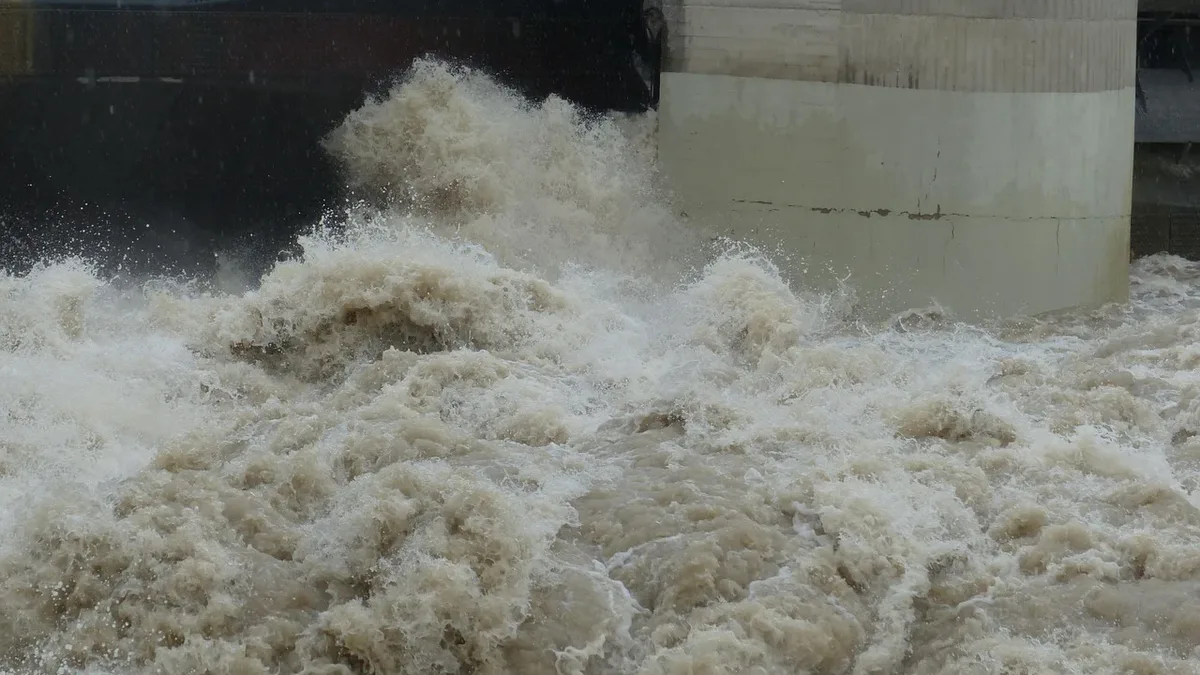
A new scientific study has concluded that no one could have outrun the deadly debris flows that struck the China-Nepal border last week. The research, one of the first peer-reviewed assessments of the disaster, found the flow reached speeds of 19 metres per second when it hit the Gyirong Port crossing in Tibet.
This speed is nearly double the average speed of sprinter Usain Bolt when he set the 100-metre world record in 2009. It is also fifty percent higher than Bolt's recorded top speed.
The Cascade of Destruction
The disaster was not a simple flood. According to the research team from the CAS Institute of Mountain Hazards and Environment, it involved a rapid and continuous transformation. It began as an ice avalanche. This then transitioned into a debris flow. That flow became a mudslide. Finally, it reached the border crossing as a flood.
The sequence happened with terrifying speed. The time from the initial ice avalanche to the impact at Gyirong Port was extremely short. This left almost no time for an effective response.
Implications for Warning Systems
The extreme velocity and rapid evolution of the event pose severe challenges for disaster management. The scientists noted that the limited effective response time demands better systems. They stated that it puts forward higher requirements for rapid identification of such threats. Faster information transmission is also critical. So is swift emergency decision-making.
Their assessment highlights a gap between natural force and human reaction time. Traditional warning systems may be insufficient for hazards that move this fast.
A Comparative Look at Speed
The research provides a stark comparison to human capability. To illustrate the 19 metres per second flow speed, the study compared it to the world's fastest man.
| Comparison Metric | Usain Bolt's Speed | Debris Flow Speed |
|---|---|---|
| Average Speed (100m World Record, 2009) | 10.44 m/s | 19 m/s |
| Top Speed | ~12 m/s | 19 m/s |
The table shows the debris flow was far quicker than even peak human performance. This scientific confirmation highlights the lethal nature of such geophysical events. The study serves as a grim reminder of nature's power.
The research team's work provides vital data for understanding similar mountain hazards. It charts a catastrophic chain reaction that left no room for escape.