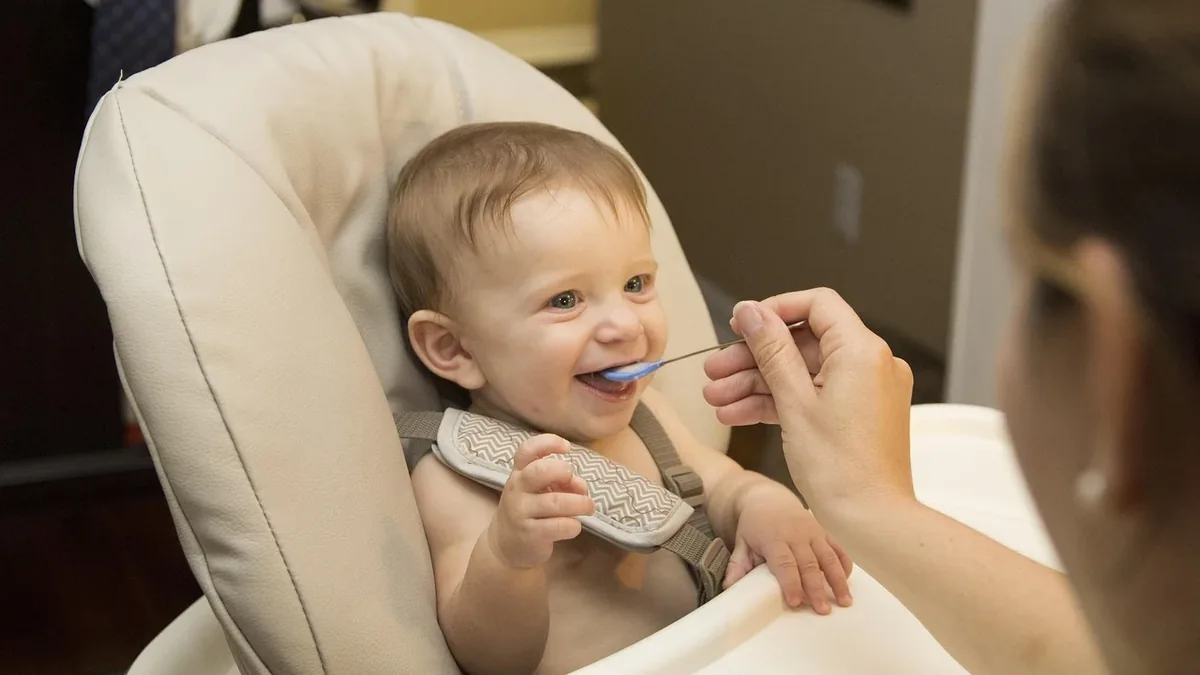
Starting Solids
| Age to start | 4 to 6 months |
|---|---|
| Key readiness signs | 3 to 5 |
| First foods | Single-ingredient purees |
| Common allergens | 8 major |
| Equipment needed | High chair, spoons, bowls |
| Texture progression | Smooth to lumpy to finger foods |
| Portion size | 1 to 2 tablespoons initially |
Overview
Starting solids refers to the dietary transition when an infant begins to consume complementary foods alongside breast milk or formula. This process, also known as weaning or complementary feeding, is a critical developmental milestone in early childhood nutrition. The primary purpose is to meet the increasing nutritional needs of the growing infant, particularly for iron and zinc, which breast milk alone can no longer sufficiently supply after around six months. It also serves to introduce a variety of flavors and textures, supporting the development of oral motor skills and fostering healthy eating habits. The transition is guided by the infant's developmental readiness rather than a strict calendar date, though it typically occurs between four and six months of age. This period involves careful selection of first foods, attention to potential allergens, and adaptation of food textures as the infant progresses from purees to more solid pieces.
History
The practice of introducing solid foods to infants has existed for millennia, with methods and timing heavily influenced by cultural norms, resource availability, and historical medical advice. In many Western cultures, prior to the mid-20th century, the recommended age for starting solids was often much later, sometimes not until after the first birthday, due to concerns about digestive immaturity and infection from unsafe food preparation. A significant shift occurred in the post-World War II era, particularly from the 1950s onward, when commercial baby food industries expanded and pediatric guidelines began recommending solids as early as three to four weeks old. This early introduction trend, prevalent in regions like North America and parts of Europe, was later reversed by extensive research. By the late 1990s and early 2000s, major global health bodies, including the World Health Organization, established the widely accepted guideline of around six months as the optimal age for introducing complementary foods, based on evidence for nutritional adequacy, gut maturation, and disease prevention.
How it works today
Current guidelines emphasize introducing solids when an infant shows signs of readiness, which usually converge around six months of age. Key readiness cues include the ability to sit upright with minimal support, good head and neck control, loss of the tongue-thrust reflex, and showing interest in food by watching others eat or reaching for it. The first foods are typically single-ingredient, iron-rich purees like fortified infant cereal, meat purees, or smooth mashed vegetables and fruits, offered in small amounts after a milk feed. Texture progresses rapidly from smooth purees to mashed and soft finger foods within a few weeks, following the infant's developmental pace. Common allergenic foods, such as peanut butter, egg, and dairy, are now recommended for early and sustained introduction, often between four and six months for high-risk infants, to help prevent food allergies. Caregivers are advised to offer a wide variety of foods, ensure a safe eating environment, and follow responsive feeding principles, allowing the infant to signal hunger and fullness.
Pros and cons
A primary advantage of a structured approach to starting solids is the systematic introduction of nutrients, particularly iron, which is crucial for cognitive development and preventing anemia. It also allows caregivers to monitor for adverse reactions or allergies to individual new foods introduced one at a time. Furthermore, establishing a routine with different textures supports the development of chewing and swallowing coordination. A significant con is that overly rigid adherence to puree sequencing can delay the introduction of lumpier textures, potentially contributing to feeding difficulties or aversion later on. Many parents regret beginning the process before their infant shows clear readiness signs, leading to frustrating mealtimes, food refusal, and increased stress. A common mistake is replacing milk feeds too quickly with solid foods, which can result in inadequate calorie and nutrient intake, as breast milk or formula remains the primary nutrition source for the first year. Another frequent error is offering foods in unsafe consistencies or sizes, posing a choking hazard.
Who it suits
This guided, sequential approach to starting solids best suits caregivers who prefer a clear, methodical framework for introducing new foods and monitoring their infant's reactions. It is particularly well-suited to infants who are developmentally on track, showing strong readiness cues around the middle of the first year, and who accept spoon-feeding readily. The method also suits families with a history of food allergies, as the controlled introduction of allergens allows for careful observation. It is less suited to infants who strongly resist being spoon-fed or who show an early and keen desire to self-feed, as a strict puree-first approach may cause conflict; these infants may adapt better to a baby-led weaning style from the outset. The approach requires a significant time commitment from the caregiver for food preparation or purchasing of commercial baby foods, and may not suit households with limited resources or time. Ultimately, it suits situations where the caregiver's knowledge and comfort with infant feeding are bolstered by following established pediatric guidelines.