University-bound students lack basic life
Parents and educators warn that a focus on academic and extracurricular achievements leaves middle-class teenagers unprepared for independent living, with
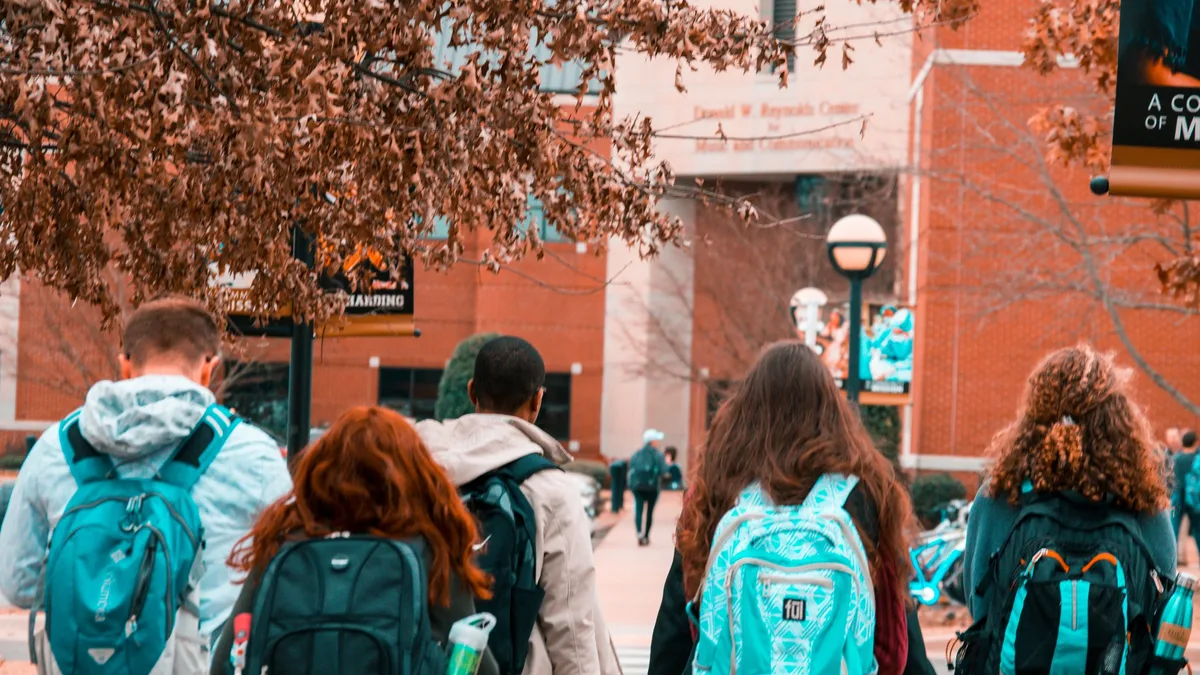
Middle-class parenting is failing to equip teenagers with essential domestic skills before they leave for university, according to letters published in The Guardian. The focus on academic grades and structured extracurriculars leaves little time for learning to cook, clean, or manage a household.
A focus on achievement over practicality
Modern parenting often directs children toward academic success, sporting prowess, music grades, and awards like the Duke of Edinburgh, writes author Melissa Scallan. With waking hours consumed by these pursuits, there is little room for learning fundamental life skills. Scallan, who gives talks in schools about university preparation, reports that sixth-form students consistently voice concerns about living independently alongside worries about academics and friendship.
Many have never done a full supermarket shop, prepared a meal from scratch, washed a kitchen floor, or ironed a shirt. "They anticipate focusing on their studies and socialising," Scallan notes, "They do worry about how they’ll also take care of themselves and how they’ll juggle everything."
The last-minute scramble for basics
The consequence is a last-minute scramble to learn basics just before departure. Scallan argues that young people should be taught these skills gradually throughout their upbringing, not in a single week of crisis training before university. She calls these domestic abilities lifelong useful skills, from cooking a decent chilli to cleaning a toilet properly and laundering a sheet without ruining it.
Another letter, from Pippa Keech, illustrates the sudden reality of this skills gap. Five minutes after dropping her son at his university halls in Birmingham, she received a panicked WhatsApp message. He had cut his hand on a knife while opening packaging and was bleeding heavily. As his parents turned their car around to help, a second message arrived: his new flatmates had already bandaged him up.
The role of peers and parents
That incident had a silver lining, fostering immediate bonds. Keech reports that all six flatmates from that incident remain close friends a decade later. The story shows how peer support can fill practical gaps, but also highlights the fundamental unpreparedness some students face. The letters collectively suggest that parenting priorities may need rebalancing to include mundane domestic competence alongside traditional achievements.