JD.com tests retail model in Hong Kong
JD.com's HK$35 billion investment in Hong Kong, including a US$1.3 billion retail expansion, is challenging the city's traditional footfall-driven property
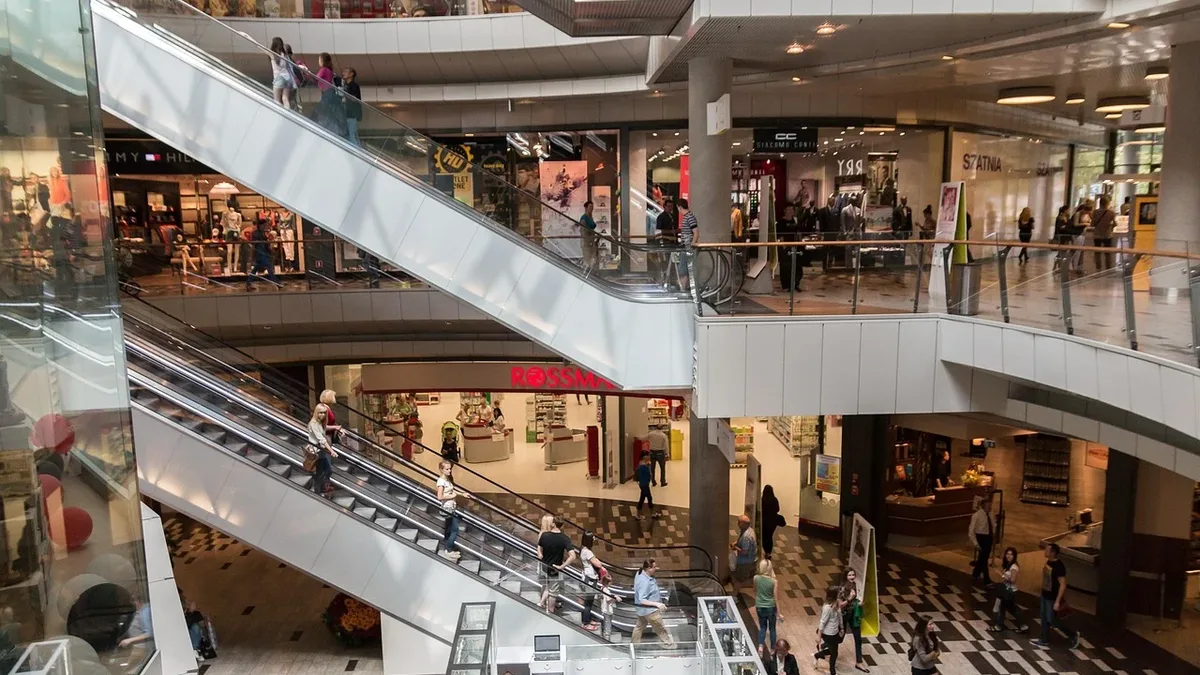
Chinese e-commerce giant JD.com is investing heavily in Hong Kong, with analysts suggesting its approach could challenge the city's long-standing retail property model. The company has invested HK$35 billion in the city across retail, logistics, and technology, including a US$1.3 billion expansion for its retail network.
For decades, the value of Hong Kong's retail property has been tightly linked to location and foot traffic. Busier streets and shopping centers have commanded higher rents. JD.com's strategy introduces a different calculus.
A Network Over Location
Analysts note that JD.com is building a network of stores, warehouses, and logistics facilities. The value of these properties is derived from their function within a system designed to move goods to customers efficiently. This network-based valuation contrasts with the traditional model that prioritizes customer footfall above all else.
The company's physical footprint supports its e-commerce operations. It is not solely about generating income from in-store sales. Each facility plays a role in a larger distribution chain.
The Scale of Investment
The reported US$1.3 billion expansion is part of a much broader commitment. JD.com stated in June that its total investment in Hong Kong has reached HK$35 billion. This capital is spread across multiple business sectors, indicating a deep, long-term strategy for the market.
This level of investment allows JD.com to establish a significant physical presence. It can build the infrastructure needed for its network model to function effectively across the city.
Potential Market Impact
If successful, JD.com's model could reduce some retailers' reliance on high-footfall, high-rent locations. A robust logistics network might enable faster, more reliable delivery from less central warehouses or stores. This shift could, over time, alter demand for different types of retail space.
The traditional property model is not expected to disappear. Prime retail locations will likely remain valuable for brands that depend on walk-in customers and impulse purchases. However, for certain goods and retailers, the economics of location may change.
The outcome hinges on consumer adoption of JD.com's services and the efficiency of its network. The company's substantial financial commitment shows it is betting on a shift in how Hong Kong shops.