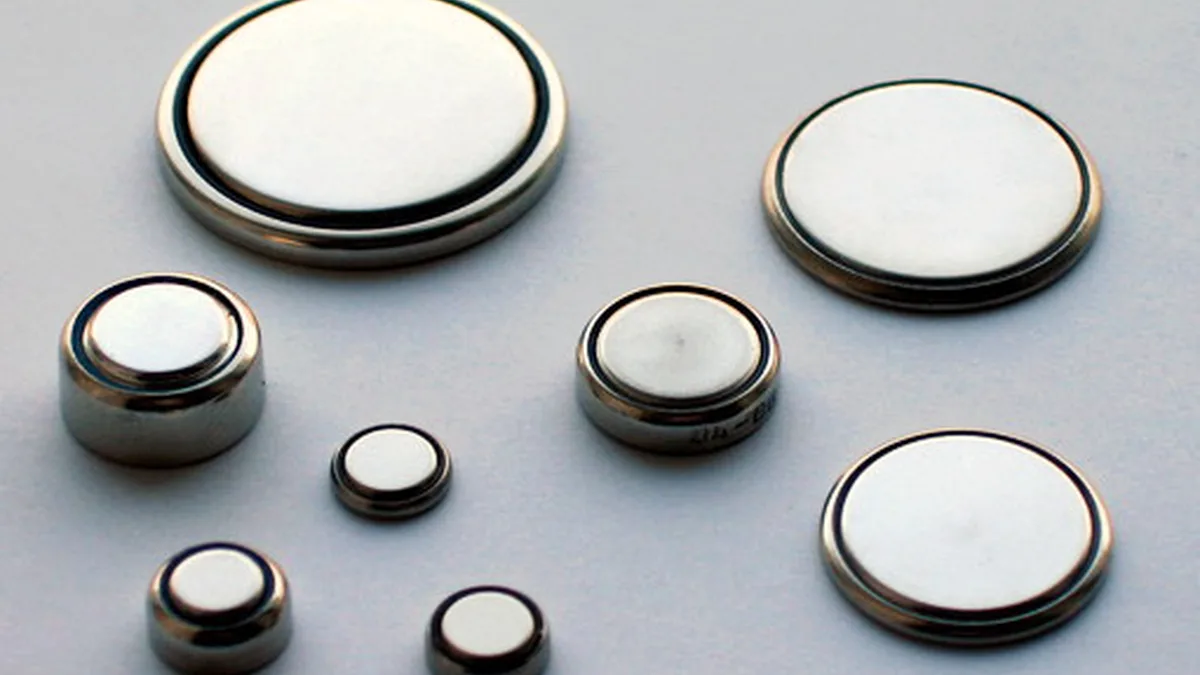
Button Batteries
| Child's age | 3 years old |
|---|---|
| Question this month | "My toddler swallowed a button battery. What do I do?" |
Origin and history
Button batteries, specifically the common alkaline and lithium coin cell types, originated from technological developments in Japan and the United States during the mid-20th century. The need for compact, reliable power sources for emerging portable electronics like hearing aids, calculators, and watches drove their invention. The lithium coin cell battery was developed in the 1970s, offering higher energy density and longer life. These batteries were rapidly adopted globally as consumer electronics miniaturized. Their standardized sizes, designated by codes like CR2032, were established by the International Electrotechnical Commission to ensure compatibility. The proliferation of these power cells in countless household items is a direct result of post-war electronics innovation.
What it is for
A button battery is a small, disc-shaped electrochemical cell designed to provide a compact, long-lasting power source for low-drain electronic devices. Its primary function is to power items where space is extremely limited and where frequent battery replacement is undesirable. Common applications include wristwatches, small calculators, hearing aids, and key fobs. They are also essential components in many children's toys, LED novelties, and medical devices like glucose monitors. The battery generates electricity through a chemical reaction between its internal anode and cathode materials, sealed within a metal casing. Their design prioritizes a stable voltage output over a lengthy period, making them unsuitable for high-drain applications like standard flashlight batteries.
Pros and cons
The primary advantage of button batteries is their exceptional energy density for their size, allowing tiny devices to operate for months or years. They also provide a very stable voltage output until near the end of their lifespan, which is critical for precision electronics. A significant con is their severe safety hazard, particularly for young children, as ingestion can cause catastrophic internal burns and tissue necrosis in just two hours. Another drawback is environmental concern, as improper disposal leads to heavy metals leaching into soil and groundwater. Consumers often regret purchasing devices with inaccessible or non-standard battery compartments, making replacement difficult and increasing the risk of improper handling. A common mistake is storing loose batteries where they can be easily accessed by children or where they can contact metal objects, leading to short circuits, fires, or ingestion.
Who it suits
Button batteries suit the design engineers of compact electronic devices where minimal weight and size are paramount constraints. They suit adults who require reliable, long-term power for essential devices like hearing aids or medical monitors, with the understanding they must handle and dispose of them responsibly. They do not suit households with young children or cognitively impaired individuals unless all devices using them are rigorously secured and spare batteries are kept in locked containers. They suit applications where device longevity is valued over repairability, as many modern products seal these batteries inside. Ultimately, they suit a technological ecosystem that prioritizes miniaturization and convenience, accepting the attendant risks which require vigilant mitigation.