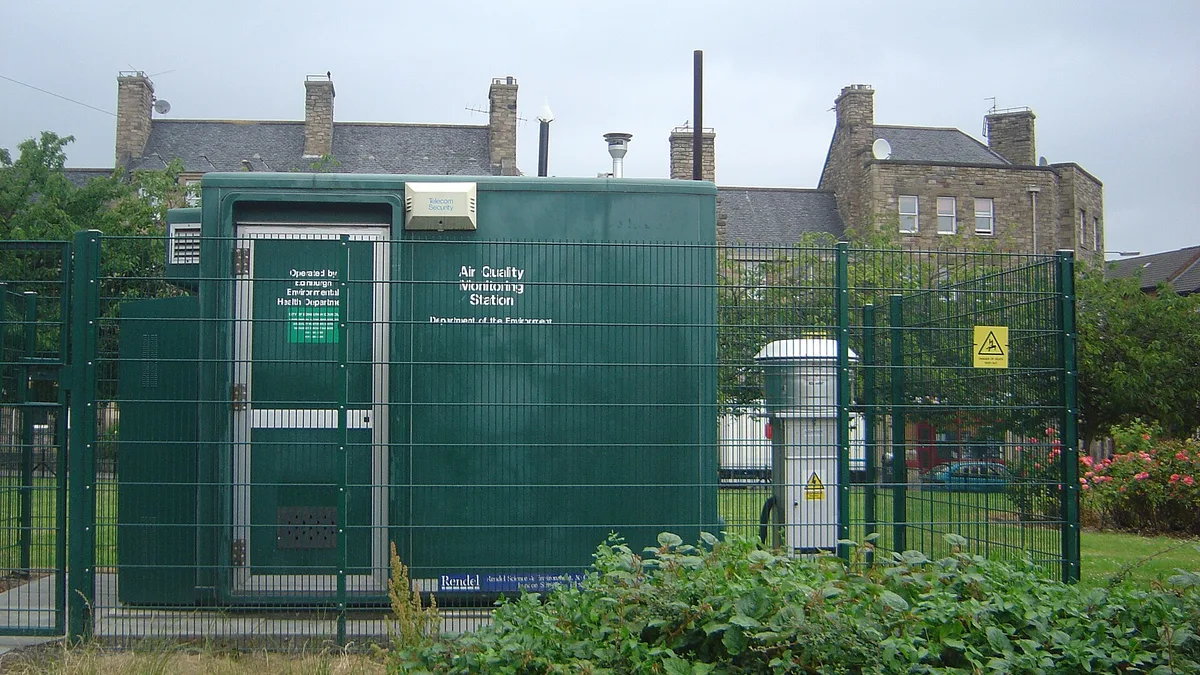
Air Quality And Children
| Age group | 0–18 years |
|---|---|
| Primary health concern | Respiratory and developmental effects |
| Key indoor pollutants | Secondhand smoke, mold, dust mites, VOCs from cleaning products |
| Key outdoor pollutants | Particulate matter (PM2.5/PM10), ground-level ozone, nitrogen dioxide |
| Vulnerability factor | Higher breathing rate relative to body size, developing organs |
| Common conditions exacerbated | Asthma, bronchitis, allergies |
| Precautionary action | Limit outdoor activity on high pollution days, use air purifiers indoors, avoid idling vehicles near schools |
Origin and history
The formal study of air quality's impact on children emerged as a distinct public health and environmental science focus in the latter half of the 20th century. Its origins are primarily rooted in the industrialized nations of North America and Europe, where episodes of severe urban smog and visible pollution prompted initial concern. Research efforts significantly expanded in the 1970s and 1980s alongside the growth of environmental regulation and a deepening understanding of epidemiology. The specific framing of "children's environmental health" as a dedicated discipline coalesced in the 1990s, driven by recognition of children's unique vulnerabilities. This period saw the establishment of research centers and initiatives specifically tasked with investigating how airborne pollutants affect developing biological systems. Consequently, the topic has evolved from generalized observations about dirty air to a sophisticated field examining specific pollutants, exposure windows, and long-term developmental outcomes.
What it is for
The primary purpose of focusing on air quality and children is to understand, communicate, and mitigate the specific risks airborne pollutants pose to infants, children, and adolescents. It serves to inform public health policy, guiding the setting of stricter air quality standards that account for children's higher breathing rates and developing organs. This knowledge base is used by pediatricians and healthcare providers to offer practical advice to families, such as minimizing outdoor activity on high-pollution days or reducing indoor sources of pollution. The field also drives targeted research into the links between early exposure and conditions like asthma exacerbations, impaired lung development, neurodevelopmental issues, and increased susceptibility to respiratory infections. Furthermore, it provides the scientific foundation for advocacy work aimed at protecting children, particularly those in marginalized communities often situated near high-emission zones. Ultimately, its function is to translate complex atmospheric science into actionable steps that safeguard child health and development across the lifespan.
Pros and cons
A major advantage of this dedicated focus is that it has successfully pushed children's health to the forefront of environmental policy debates, leading to more protective regulations in some regions. This specialization has yielded nuanced insights, such as understanding how ultrafine particles can cross biological barriers or how prenatal exposure can have lasting effects. The concrete, child-centered framing also makes the abstract issue of air pollution more tangible and urgent for parents, caregivers, and educators. A significant drawback, however, is that the concern can sometimes lead to excessive parental anxiety and a sense of helplessness, particularly when families lack the resources to control their immediate environment. The common mistake is to focus solely on dramatic outdoor smog events while underestimating the cumulative impact of chronic, lower-level exposure from both outdoor and indoor sources, such as traffic near schools or poorly ventilated cooking. Furthermore, individuals often regret relying on generalized air quality indices without understanding the specific pollutants they measure, as a "moderate" rating for ozone might still be problematic for a child with asthma.
Who it suits
This area of concern is most pertinent for parents, guardians, and caregivers of children from the prenatal period through adolescence, as these are the critical windows of development. It is especially crucial for families living in urban areas, near major roadways, industrial sites, or in regions with frequent wildfire smoke or dust events. Pediatric healthcare providers, including doctors, nurses, and respiratory therapists, require this knowledge to assess environmental risk factors in their patients and offer evidence-based guidance. Urban planners, school administrators, and policymakers also engage with this topic to make informed decisions about school siting, transportation infrastructure, and community zoning. Educators and childcare workers benefit from understanding basic principles to manage activities and protect groups of children during poor air quality episodes. Finally, it suits researchers and public health advocates who are dedicated to quantifying risks and pushing for systemic changes that prioritize vulnerable populations.
Latest Air Quality And Children news
Latest reporting
Norwegian International School Emphasizes Outdoor Learning
The Norwegian International School in Hong Kong promotes a close-knit community and a curriculum centered on outdoor learning and forest play for...
Five Tips for Visiting Art Exhibitions with Kids
HoneyKidsAsia offers advice for parents to make gallery visits engaging for children, highlighting the upcoming Shaping Hearts festival.
Tested: The Best UK Lunch Boxes for Leaks and Kids
A Guardian product tester, a parent of three primary-school children, has put 40 lunch boxes through rigorous real-world trials to find the best...

Family-Friendly Sunday Brunches in Singapore
A guide to nine Singapore hotels and restaurants offering Sunday brunch buffets with special menus and entertainment for children.

Hong Kong Kids' Sports Classes: Tennis
A guide to sports classes for children in Hong Kong, covering multi-sport programmes, tennis, basketball, rugby, cricket, and athletics for various...
Singapore's 2026 September Holiday Camps
A guide to ten holiday camps for children aged three to 18 in Singapore during the September 2026 school break, covering activities from science and...